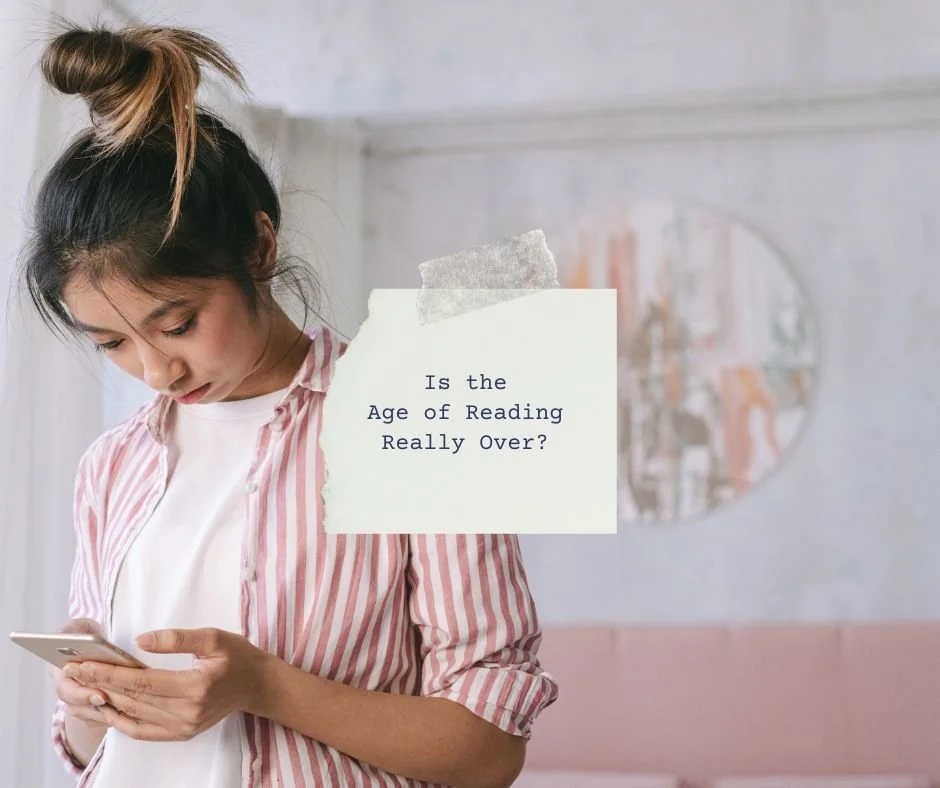
Is the Age of Reading Really Over?
Yesterday morning I opened my email inbox and found a lovely surprise waiting for me there — a message with the subject line “Invitation to Participate in the Blue Mountains Writers’ Festival” from someone called Maeve.
The email went on to say that I was being invited to share Togetherness Redefined (my first book, published in 2020) at a writers’ conference this fall in Australia’s Blue Mountains, just an hour away from where my little family lived back in 2007-08.
I was skeptical at first, of course. I get a lot of spammy emails from bots on the internet who prey on self-published authors desperate to sell their work. But I googled the festival and found it was not only legit but gorgeous and very potentially my ideal kind of event. I went deep into their website, and all of a sudden found myself falling in love with the idea of spending a week with a group of lovely Australian readers and writers.
I emailed back to say yes, of course I would like more information.
Maeve’s response was immediate, something I thought odd with the time difference. And when I responded to that message a few hours later, another immediate response came back (even though it was the middle of the night there) requesting $300 to be included in their festival materials.
I knew then that Maeve was not a human inviting me to participate in her festival.
Maeve was a phishing bot, a scam, an artificially intelligent internet crawler of the malicious type.
So I sent Maeve’s messages where I send all phishing bot emails — down, down, down into the depths of my Spam folder. And I let the idea of spending thousands of dollars traveling to Australia to spend a weekend with other readers and writers (and maybe sell a few copies of my self-published books) nestle itself in my mind’s folder of abandoned dreams.
It reminded me of the cover article I read last weekend in The Atlantic called “The Age of Reading is Over”, a piece chock-full of evidence and use cases outlining why America is entering the postliterate age, an age where digital media and short videos rule, where reading and writing are dead and those of us who love the written word are becoming more and more irrelevant.
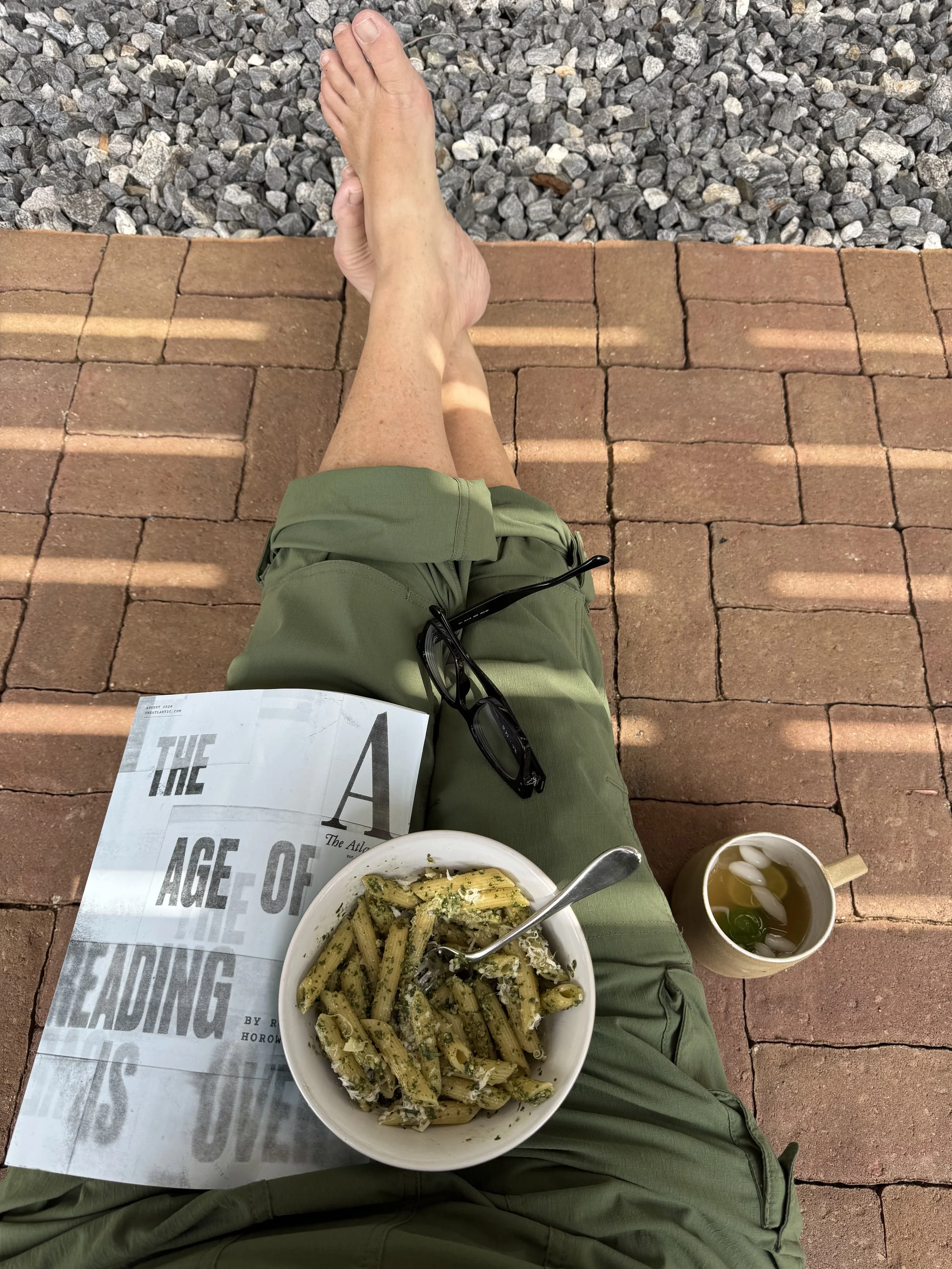
The article isn’t primarily about how AI is changing our culture, our world, our minds—it’s larger than that.
It’s about how the ease of not having to think for ourselves is slowly creeping in. . .
How kids aren’t reading books at school anymore because standardized tests reward reading excerpts instead.
How college classes are becoming more and more remedial because entering freshmen don’t know how to think critically.
How more adults placed a bet than read a book in 2025.
How we’re less likely to be ridiculed for staring at our phones anywhere and everywhere than reading a book in public.
How we’re losing the ability to consider and understand nuance because the only reading we do is 140 characters or less.
How we put something on the TV because we’re too tired to do anything else and all of a sudden we’ve lost our whole evening.
How we scroll Instagram, Reddit, and Facebook because it’s easier than getting into a book or letting our mind wander.
How we let the algorithm choose what we pay attention to because it’s easier than choosing for ourselves.
How we don’t buy newspapers because watching the news on TV or YouTube is easier.
And yes, How we reach for artificial intelligence to write for us because it’s so much faster that way, because it comes out better, because it’s easier than working things out in our own minds.
How all this time we’ve been worried that AI would steal our jobs when instead, it’s been stealing our ability to think, to respond, to create as our true selves.
It’s a good article. You can read it here.
⊹⊹⊹
You already know I don’t use AI at all to help me write the books, blogs posts, and emails I write. (You can tell by the typos, mixed metaphors, and inconsistent punctuation I struggle to escape from in these Friday morning messages, I’m sure.) But that doesn’t mean I’m not losing in this battle.
I’m not about to pretend I have the answers to a social problem as big and complex as an entire generation of humans starting to lose our ability to think deeply.
But I do know this — the age of reading cannot be over.
Not on my watch.
Not on your watch either (clearly you’re still a reader too if you reached the bottom of this message).
Easier is not always better. Sometimes deeper is better. Sometimes working things out on our own is better. Sometimes it’s the process that makes us better.
Reading is always better.
If we keep reading, we might just turn this whole thing around.
Tell that to anyone who snickers the next time you admit you don’t know what a meme is, or the next time you’re met with blank stares when you talk about books in mixed company ;)
⊹⊹⊹
This weekend, I hope you find $30 in the pocket of a pair of old jeans at the back of your closet. I hope you take that $30 to your favorite local bookshop and buy a good book or two, or a stack of magazines, or a big, fat newspaper. I hope you bring that book home and lose your phone for however many hours it takes to read as much as you want, as much as you can stand.
I hope you read and read and read and never stop. I hope you know I’ll be reading too. I hope you know we’re saving the world a little bit when we do.
This weekend, I’m reading The Emilys on audio (so good!) and rereading State of Wonder and On Writing in paperback, along with a brand-new issue of Down East Magazine.
What are you reading?
✌🏼️💓 📚
Celeste
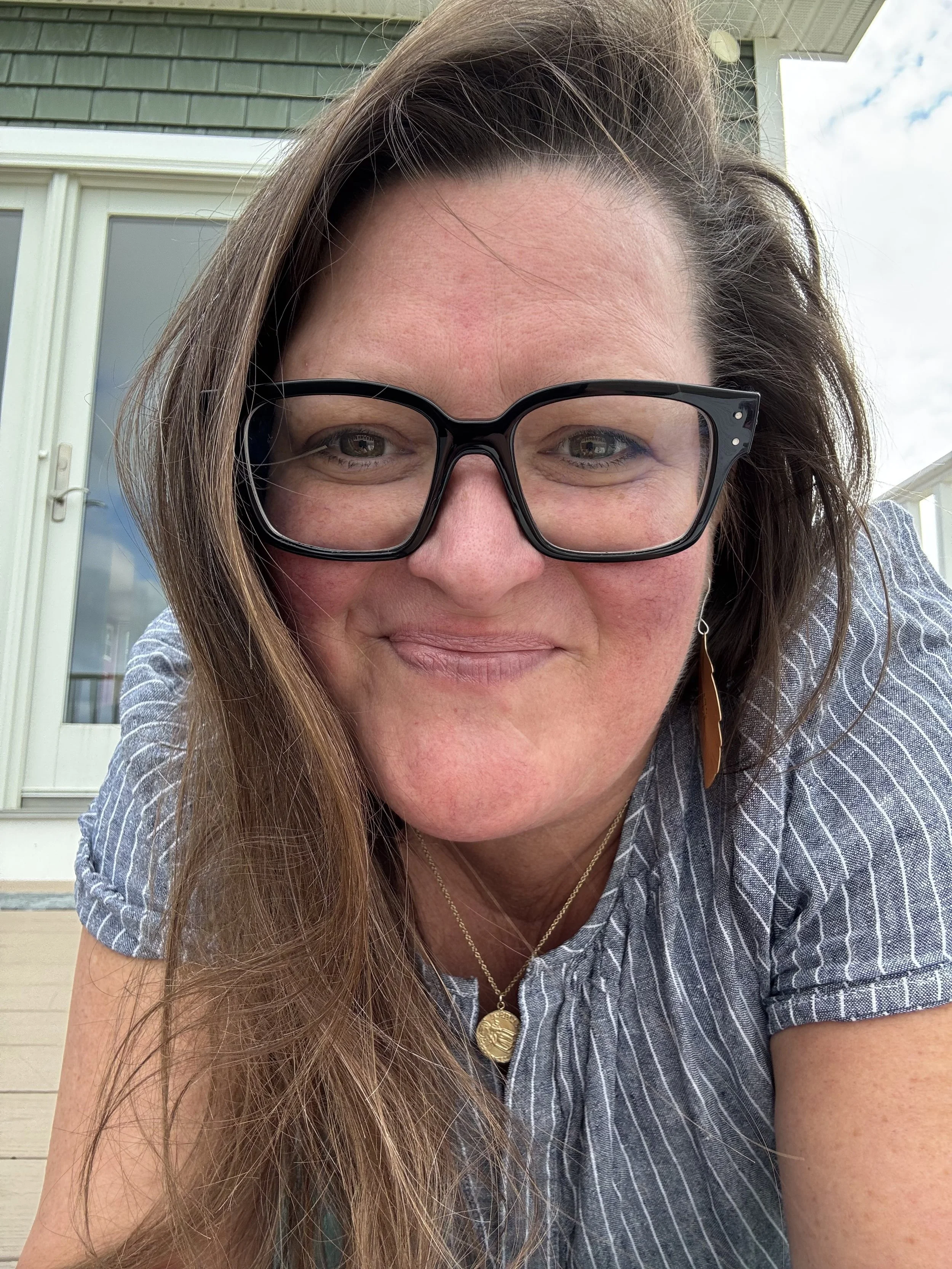
did AI write this? nope, this lady did ⤴ always💛
Love these
Friday morning chats?
*No portion of this work may be used for training artificial intelligence without written permission from the author (which she will not be giving).
See you next Friday!