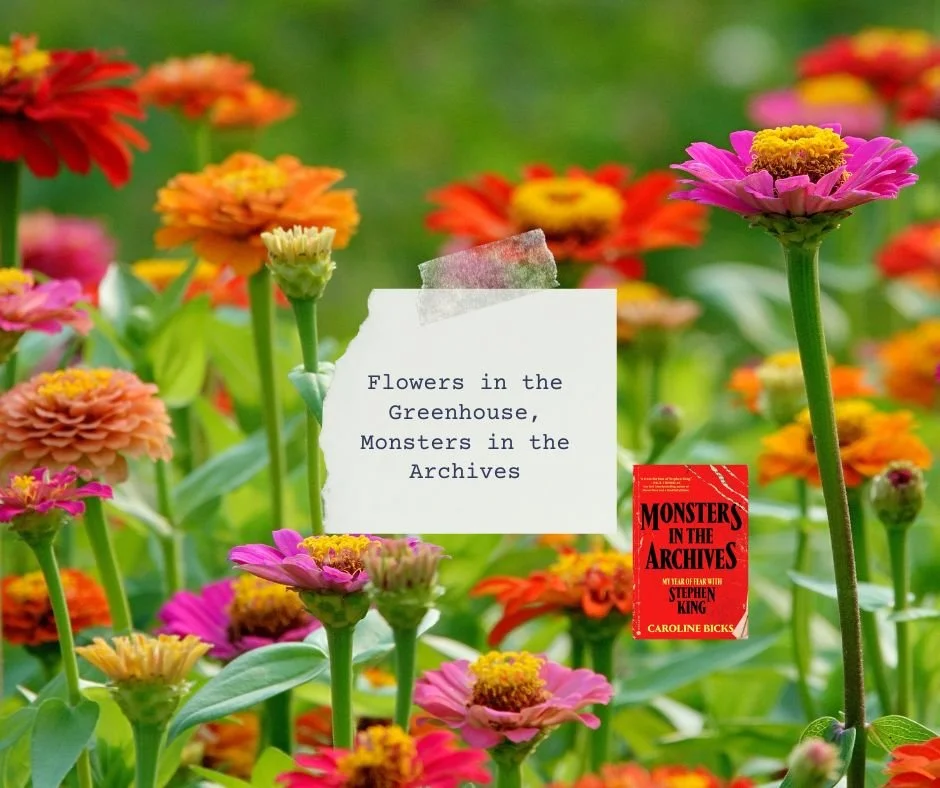
Flowers in the Greenhouse, Monsters in the Archives
If there’s any way to heal ourselves, any possible way to truly get out of our heads and start getting at the things tearing us up inside, any way to root them out or calm them down, experience tells me it must have something to do with getting outside and getting into nature, dare I say seeking nature as therapy.
A very close second is reading good books, of course, but let’s talk about the nature thing first.
This week I picked the first ripe tomatoes from my vines at home and witnessed the first zinnia blossoms emerging from the seedlings I planted months ago in my greenhouse. And let me tell you, it’s helping heal my broken heart, at least a little.
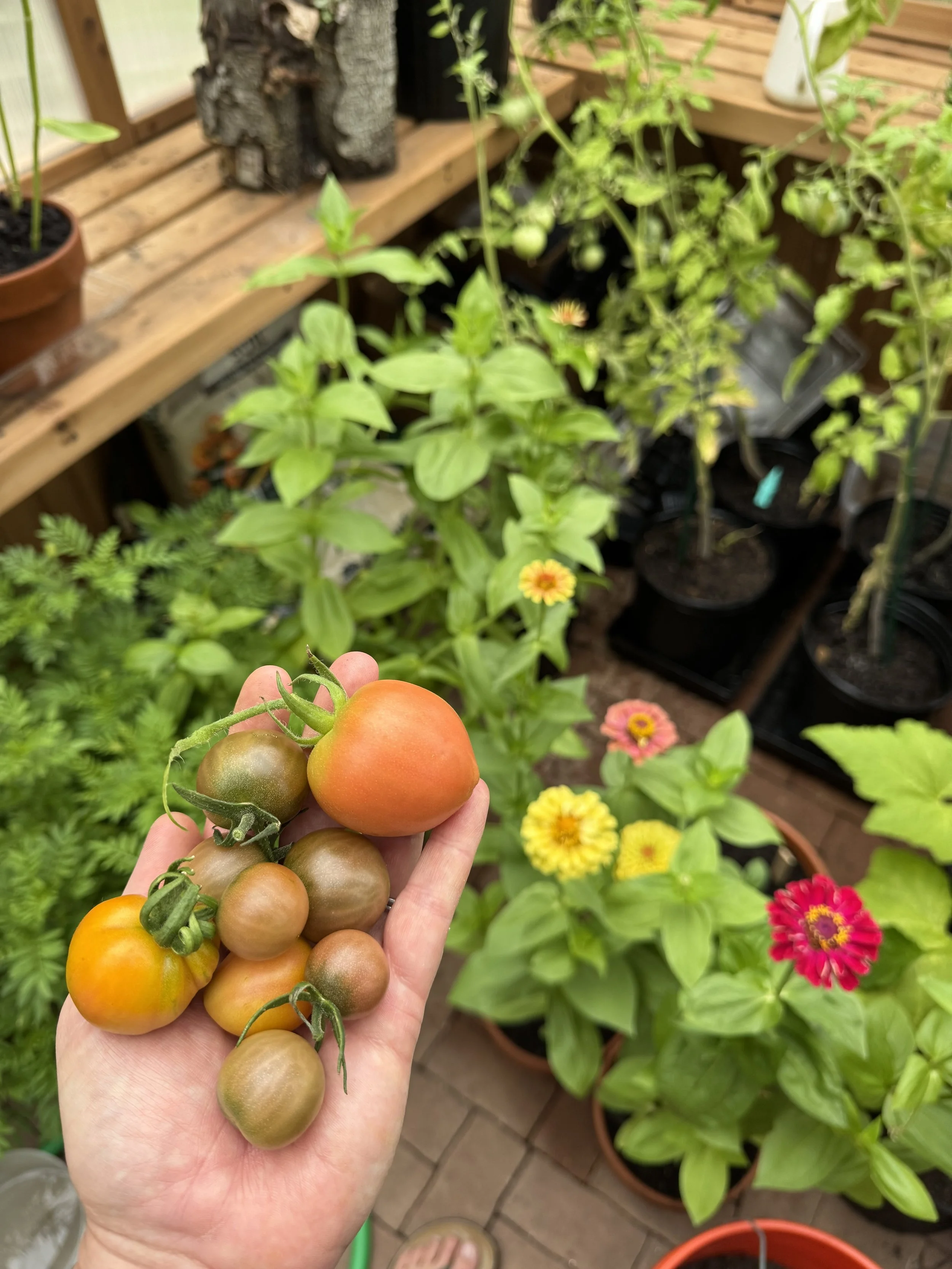
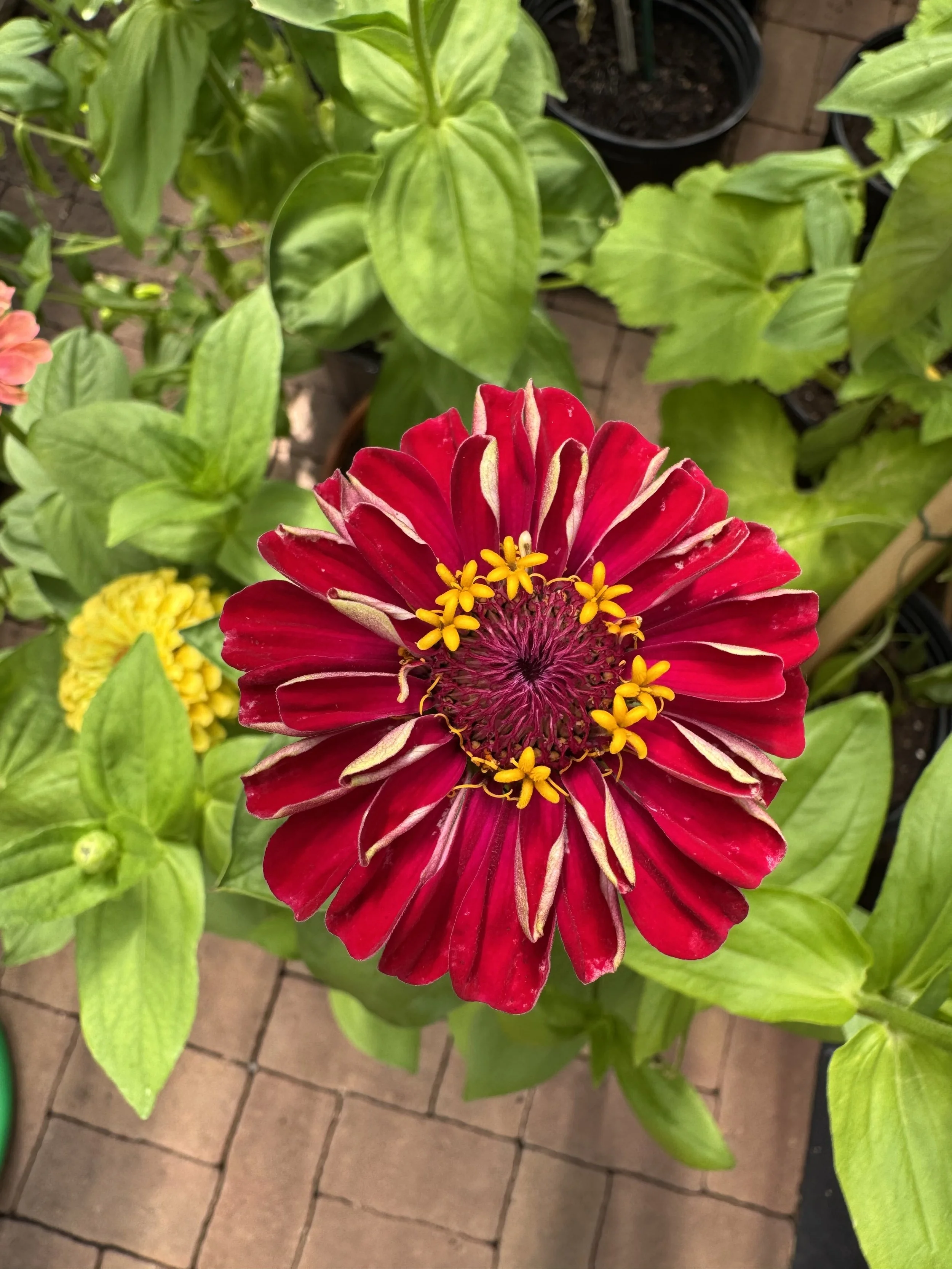
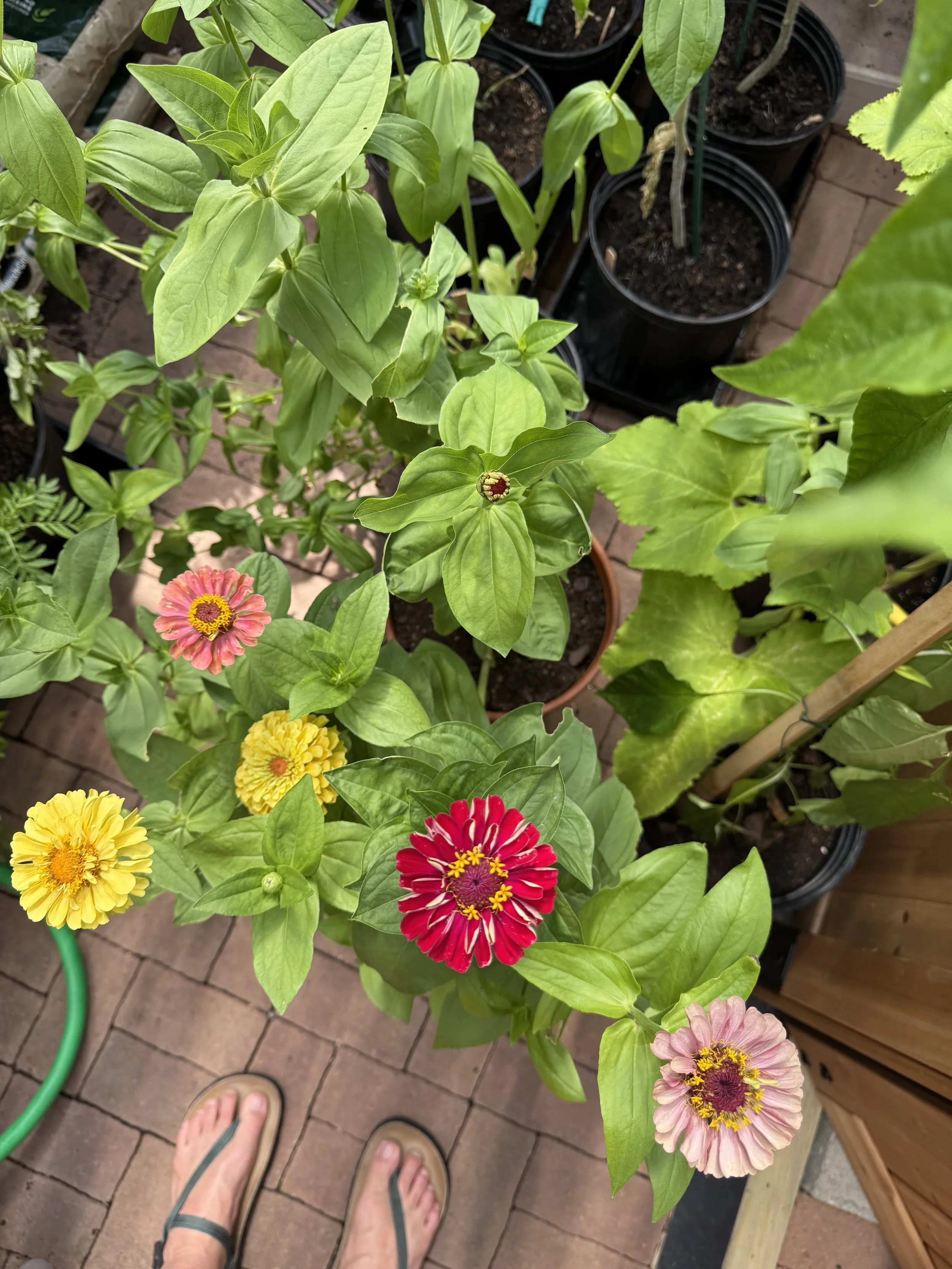
After so many years of full-time Airstream travel where I didn’t have the space to put down roots of any kind, then living in a cabin in the Maine woods where nothing grew (not even grass or shrubbery), you can probably imagine how good it feels to see anything at all growing on my little plot of land.
Which might explain why I’ve gone completely overboard with so many plants and seeds and a big greenhouse building project in recent months (much to the disappointment of my hiking boots and swimsuits sitting idly in my closet). What can I say except watching things grow is my nature therapy this summer.
But no one has to be a garden nerd or try their hand at growing something to benefit from nature—it’s bigger than that.
It’s something best described by recent scientific studies showing that nature has real health benefits, like this 2023 article I found in the American Journal of Lifestyle Medicine on the National Institute of Health website called “Nature As Medicine: The 7th (Unofficial) Pillar of Lifestyle Medicine” ⤵
“There are 6 Official Pillars of Lifestyle Medicine, and now mounting evidence supports daily exposure to nature and fresh air as vital to optimizing overall physical and mental health.
Time spent in nature has been shown to help lower blood pressure, reduce nervous system arousal, enhance immune system function, reduce anxiety and increase self-esteem.
The positive effects of time spent in nature span different occupations, ethnic groups, financial status and individuals with a variety of chronic illnesses and disabilities. . .
In a culture of ever-increasing technology and screen time, now more than ever it is crucial to educate and empower individuals to incorporate nature into therapeutic treatment regimens.”
Specifically, “benefits of spending time in nature are numerous, and health outcomes identified to date include the following:
Immune function - improved natural killer (NK) cell activity, increased cancer fighting protein production and less cancer, less acute urinary tract infection and upper respiratory infection, and improved healing ability
Cardiovascular - lower blood pressure, lower heart rate, increased heart rate variability
Endocrine - improved blood glucose control, lower cortisol levels
Brain/Neurologic health - better cognitive performance, less migraine
Nervous system - less sympathetic and more parasympathetic activity/less activity within the amygdala
Mental and emotional health - improved mood, less anxiety and depression, improved symptoms of ADHD, and improved overall well-being
Intestinal health - more short chain fatty acid producing bacteria
Musculoskeletal - less MSK complaints
Positive impacts on birth weight. . .”
(Link to the full article here)
See, there’s actual scientific evidence that you need to blow off chores, work, whatever sometimes, lots of times, and get outside.
There’s no AI on the lake. Zero ads in the woods.
You can quote me on that.
So, if you’re anything like me and are finding yourself in need of some healing this week, or a boost to your health and wellbeing for any reason at all, I hope you can find a flower or two blooming close by, a tree to hug, or some grass to sink your toes into for at least an afternoon or three.
Now, let’s talk about good books. . .
I don’t have any scientific studies about the power of reading good books to share, but the truth remains—good books have healing properties. They’re perspective-givers, laughter-inducers, and inspiration-causers, if nothing else.
Even the ones with monsters.
Especially if those monsters are from the mind of Stephen King.
The truth is, I may be the only person living in Maine who doesn’t at least try to read any and everything Stephen King writes. (Seriously, you should see the Stephen King sections at our bookshops here. Out. Of. Control.)
Except for that one Stephen King book everyone loves ~ I loved that one, of course. But normally, I just can’t do it. I guess I’m afraid of being afraid. I have a fear of being in fear.
But I love, love, love reading about Stephen King himself.
His memoir On Writing is on my annual must-reread list almost every single year, and I never get tired of it. So, imagine my delight when I heard about the brand-new biography of the man, the myth, the legend that is Stephen King— Monsters in the Archives: My Year of Fear with Stephen King written by Caroline Bicks, a UMaine professor.
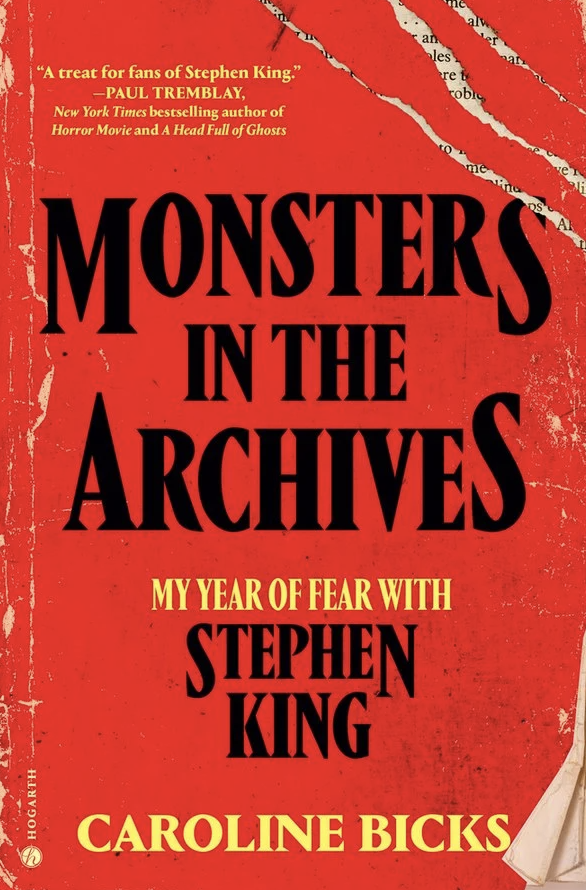
I bought it on audio as soon as I heard about it and finished it last week. Loved it. It made me want to try to read any and everything Stephen King has ever written or ever will write.
Maybe :)
Wherever you are this weekend, whatever’s on your heart or swirling around in your mind, I hope something in this little message from me gives you a good idea, a moment of joy, or a bit of the courage you’ve been looking for.
✌🏼️💓 📚
Celeste
